





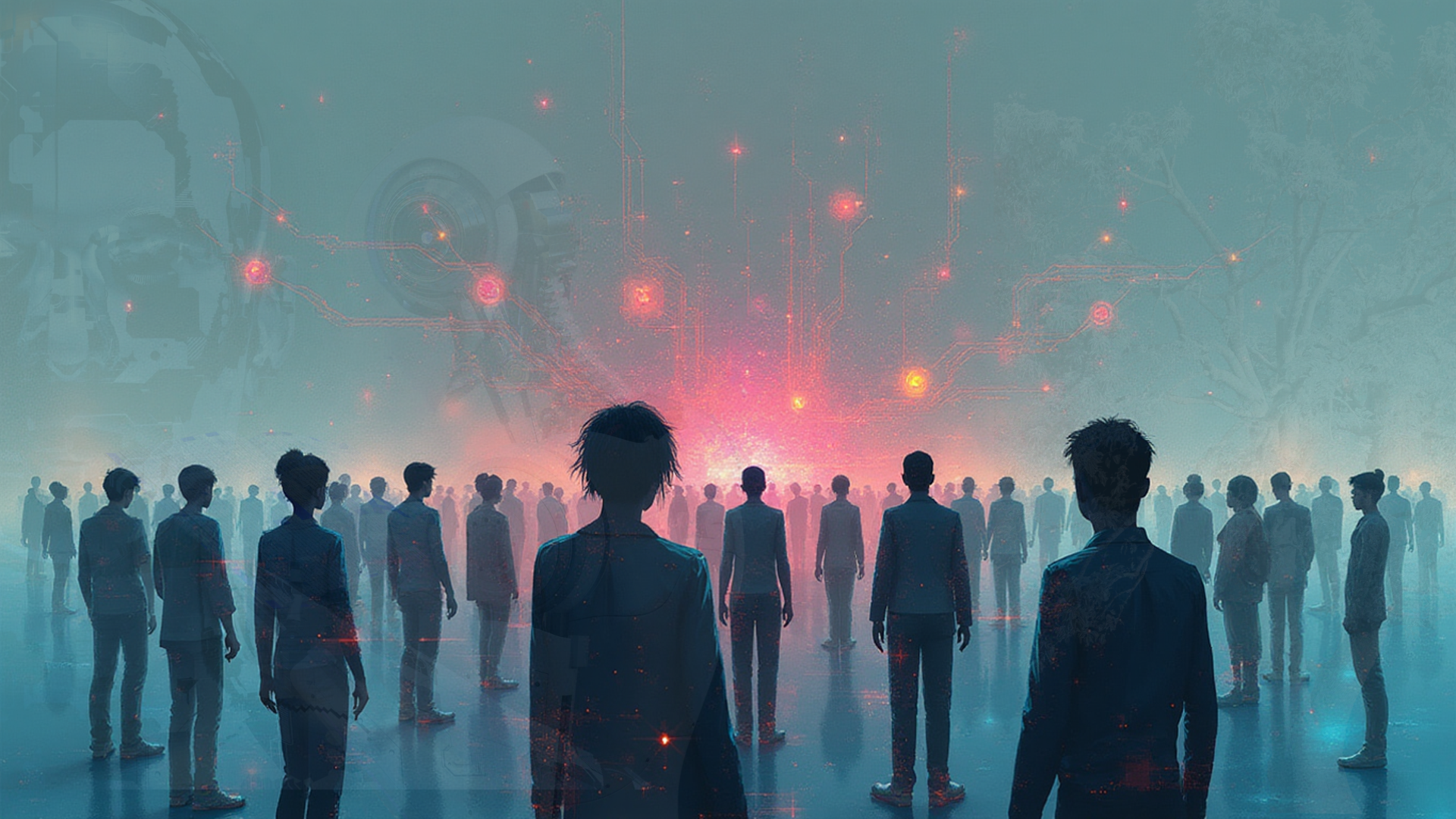
Technology has existed in history with the presence of humanity. Will this power free us, or will it create new masters who govern us?
New Masters: On the Threshold of Technological Domination
We know that technology has taken its place in history alongside humanity. As humankind has progressed through life, it has inevitably faced this question with every development and creation. Will this power free us? Will it make our lives easier and make us masters of our own lives, or will it create new masters who will control us by bringing us under the sway of this power? At the point we have reached today, this question is being raised again and again with a louder voice across a very wide spectrum, from artificial intelligence to algorithms, biotechnology to space and surveillance technologies. Will technology go beyond human control?
Two Sides of the Blade: Tool or Purpose?
Technology is, in its essence, neutral and impartial. A manufactured knife can cut bread, or it can harm a living being. However, it seems that the issue here is not technology itself, but rather who uses it, for what purpose, and within what limits.
This is where the real problem arises! In other words, the person who creates and develops technology and the person who needs to keep it under control and supervision may not always share the same motivations or state of mind. The desire to achieve something prematurely, the greed driven by profit, and the competitive pressure of constantly monitoring each other can override morality, human values, ethics, and social responsibility.
Becoming a Slave to One’s Own System: A New Existential Problem
Today, algorithms can provide very strong guidance on what, how much, and how we watch, what we read and why, and even what we think. Meanwhile, while social media platforms turn our attention into a commodity (useful, popular, trending approaches), the world’s big data systems can reduce individuals and the majority of societies to a mathematical value, a sum of numbers and predictions, thereby exposing them to serious risks.
In such a landscape, technology can become an invisible force that shapes human behavior in ways that humans may not even perceive. The dilemma of whether technology goes out of control or not unfolds precisely in such silence.
However, this situation we call “going out of control” is often described through science fiction imagery, focusing on technology’s gains in the transition from data to consciousness. Yet, the real danger that needs to be recognized is not the uprising of machines showcasing technology’s development process against us, but rather people ceasing to question the potential state and consequences of the systems they themselves create. Ultimately, in a world where no one can currently explain why a piece of software behaves or will behave in a certain way, but mysteriously everyone adapts to it, control has already changed hands. Humanity has become, or will become, enslaved by its own fears.
Humanity’s Place on Earth and the Technological Trajectory
Unlike other living beings, humanity also bears the responsibility of being the steward of the Earth. This responsibility includes developing and building the Earth. Therefore, this means that as long as technology continues as a value produced by humans, the power to determine its trajectory and direction will remain in human hands.
Master or Subject? The Great Human Test

This direction and progress, the ability to control, is possible not only through engineers and companies but also by including at least educators, lawyers, journalists, artists, artisans, and ordinary citizens—even those without a specific skill who simply assert their existence—in this process, encompassing all aspects of life. Transparency, clarity, being principled, and fair and democratic oversight within ethical frameworks must serve as a compass guiding technology’s direction.
Consequently, at the point we have reached, we understand that technology will not spontaneously escape human control. Not until we create an uncontrolled space for it. I cannot help but ask this question: In exchange for comfort, pleasure, desires for an excessively easy life contrary to human nature, and the feelings of rapidly obtaining something prematurely that trigger these desires – in other words, how much of our authority are we willing to transfer for these? This is it! The answer to this question, moment by moment, neither past nor future, but in the PRESENT, will determine whether we will be the master of technology (serving our existence) or its subject (our existence serving it).


